
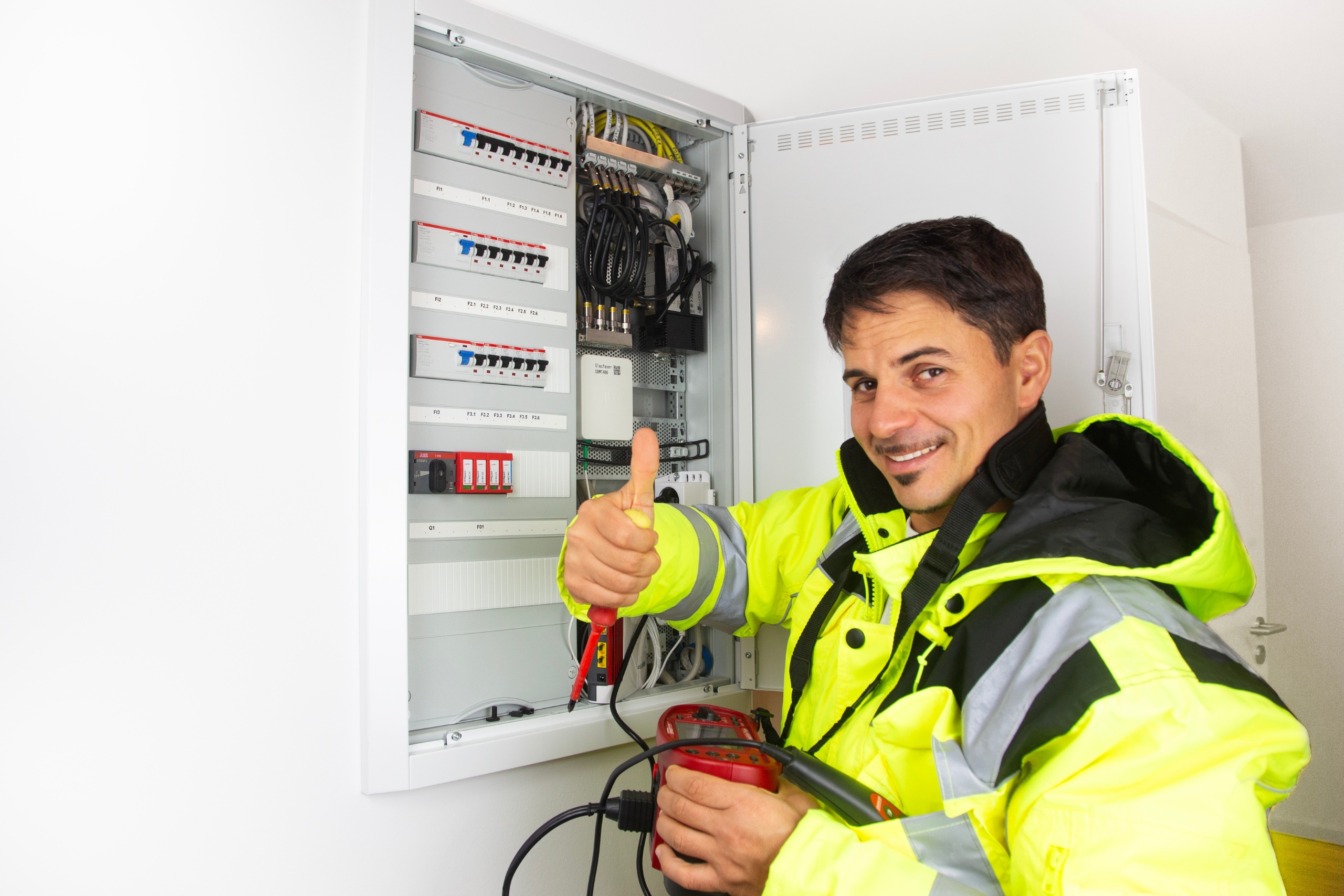
Electrical emergencies rarely happen at convenient times. Faults often occur late at night, during weekends, or on public holidays, when access to professional help feels uncertain. Power outages, sparking sockets, burning smells, or repeated circuit trips can quickly turn into serious safety risks if left unresolved. In these moments, immediate action is essential to protect people, property, and essential systems. This is where round-the-clock electrical support becomes invaluable. A 24-hour emergency service is designed to provide rapid, professional intervention whenever electrical safety is compromised, regardless of the time of day. Understanding how continuous emergency electrical services operate, when they should be used, and why professional expertise is critical allows property owners to respond calmly and decisively during stressful situations. This article explores the role of 24-hour emergency electrical support, the types of situations it addresses, and the value it brings in maintaining safety and peace of mind when urgent electrical problems arise.
Why Electrical Emergencies Demand Immediate Action
Electrical emergencies are defined by the level of danger they pose rather than the inconvenience they cause. Faults involving overheating wiring, exposed live components, or failing consumer units can escalate rapidly if not addressed promptly. Unlike minor electrical issues, emergencies require swift intervention to prevent serious consequences such as fire, electric shock, or damage to appliances and infrastructure.
Delaying professional attention increases risk significantly. Electrical systems are interconnected, meaning a fault in one area can affect others unexpectedly. What may appear to be a small issue, such as a tripping circuit breaker, can signal deeper wiring problems that worsen under continued use.
Immediate action ensures hazards are contained early. Professional electricians are trained to stabilise systems quickly, isolate danger, and apply effective solutions. Rapid response reduces both safety risks and the likelihood of more extensive, costly repairs later.
Situations That Require a 24 Hour Emergency Response
Many electrical problems arise outside normal working hours, making continuous availability essential. Sudden power loss affecting a single property, sparking sockets, persistent burning smells, or outlets that feel hot to the touch are all strong indicators that urgent professional help is required immediately.
Electrical faults during the night can be particularly distressing. Loss of lighting, heating, refrigeration, or security systems compromises safety and comfort, especially for vulnerable occupants. In commercial settings, unexpected outages can disrupt operations and create security concerns if left unresolved.
A 24 hour emergency electrician is trained to respond quickly to these situations. Their role is to assess risk, stabilise the electrical system, and restore safety before problems escalate further. This constant readiness ensures that dangerous faults are not left unattended simply because they occur outside standard hours.
Services Provided During Emergency Call-Outs
Emergency electrical services are designed to restore safety first and functionality second. Upon arrival, electricians carry out immediate risk assessments to identify hazards such as exposed live wiring, overheating components, or signs of potential fire. Power may be isolated temporarily to prevent further danger while investigations take place.
Rapid fault finding is a core part of emergency work. Using specialist diagnostic tools, electricians identify the root cause of the issue rather than applying temporary fixes. Typical emergency services include repairing damaged wiring, resolving tripping consumer units, fixing faulty sockets and switches, and restoring lighting or power following outages.
Once the immediate issue is resolved, additional checks are often performed to ensure system stability. This thorough approach ensures properties are left safe, compliant, and protected against recurring faults.
The Importance of Continuous Availability
Electrical emergencies do not follow schedules, which is why 24-hour availability is essential. Emergency electricians operate day and night, including weekends and bank holidays, ensuring professional help is always accessible when needed.
Continuous availability reduces risk by shortening response times. The faster a qualified electrician attends a fault, the lower the chance of escalation into serious damage or injury. Prompt attendance also minimises disruption, allowing households and businesses to return to normal operation sooner.
Knowing that professional support is available at all times provides reassurance. This reliability allows property owners to act decisively without hesitation, confident that expert help is on hand regardless of when an emergency occurs.
Safety Standards and Professional Qualifications
Emergency electrical work involves heightened risk, making professional qualifications essential. Electricians providing 24-hour emergency services are trained, certified, and insured to work in compliance with UK electrical safety regulations. Their expertise enables them to manage complex and potentially dangerous faults safely, even under pressure.
Certified professionals follow strict procedures and use specialist equipment to ensure repairs meet recognised safety standards. Documentation confirming compliance is typically provided, which can be important for insurance purposes or future property assessments.
Choosing a qualified emergency electrician ensures that urgent repairs not only resolve the immediate problem but also support the long-term safety and reliability of the electrical system.
How Property Owners Can Reduce Emergency Risks
While not all electrical emergencies are preventable, proactive measures significantly reduce risk. Regular electrical inspections help identify ageing wiring, overloaded circuits, or outdated components before they fail. Addressing minor issues promptly prevents them from developing into emergencies.
Safe usage habits also play an important role. Avoiding overloaded sockets, using certified appliances, and responding quickly to warning signs such as unusual smells or frequent tripping improve system reliability. Professional advice following emergency call-outs often includes recommendations to strengthen electrical resilience.
Preventative care reduces the likelihood of urgent faults and supports safer, more reliable electrical systems over time.
Conclusion
Electrical emergencies demand immediate, professional attention, regardless of when they occur. Continuous access to expert support ensures that dangerous faults are addressed swiftly, protecting people, property, and essential systems from harm. A 24-hour emergency electrical service provides rapid response, accurate diagnosis, and safe, compliant repairs when urgent issues arise outside standard hours. By recognising warning signs early, prioritising safety, and seeking professional help without delay, property owners can minimise risk and restore confidence in their electrical systems. In situations where every minute matters, dependable round-the-clock electrical support offers reassurance, protection, and lasting peace of mind.